محتوى
Modern refrigeration relies on an interconnected network of specialized refrigerator parts operating within a closed-loop vapor-compression thermodynamic cycle. The entire system achieves heat transfer by precisely regulating the physical state, pressure, and temperature of a chemical refrigerant. Understanding the mechanics of these individual mechanical and electrical components is vital for ensuring correct diagnostics, energy-efficient operation, and compliance with national electrical safety codes.
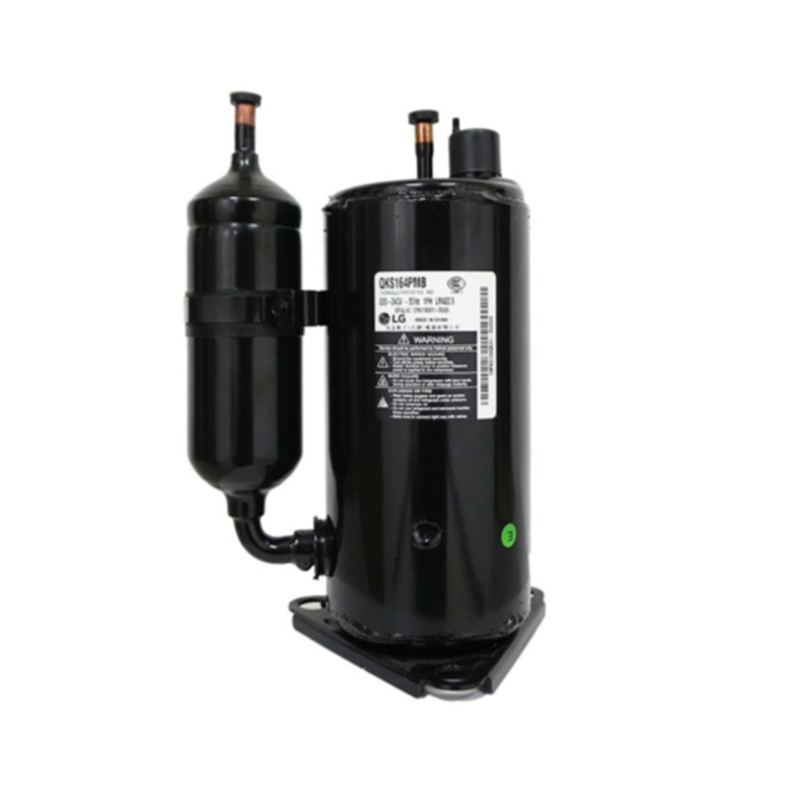
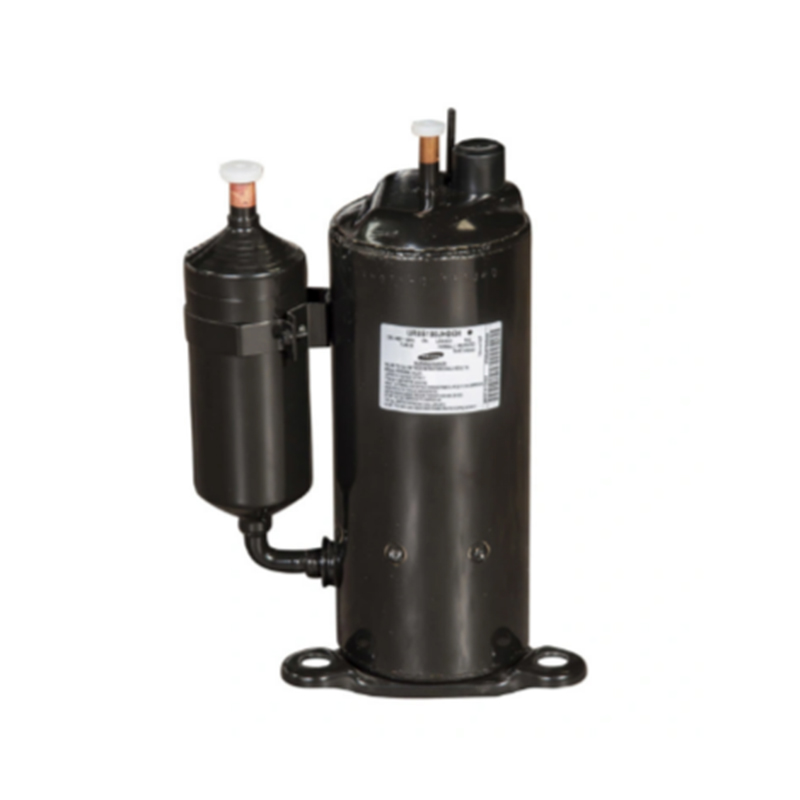
The thermal energy extraction process requires four primary mechanical components to work in perfect harmony. The process begins at the compressor, which acts as the mechanical heart of the appliance. The compressor elevates the pressure and temperature of the gaseous refrigerant, forcing it onward into the condenser coil matrix.
As the high-pressure gas passes through the condenser coils, external fans dissipate the thermal energy into the surrounding ambient air, causing the refrigerant to condense into a high-pressure liquid. This liquid then flows through a capillary tube or thermostatic expansion valve, experiencing a sudden drop in pressure. This pressure drop causes the chemical to rapidly cool before entering the evaporator coils inside the appliance cabinet, where it absorbs heat from the food storage compartment to repeat the cycle.
| Component Name | Primary Engineering Function | Operating Physical Parameters | Common Wear Diagnostic Metrics |
|---|---|---|---|
| Hermetic Compressor | Pressurizes low-pressure vapor into high-pressure vapor. | 120 to 180 PSI head pressure (R134a) | Locked rotor amperage (LRA) spikes or open motor windings. |
| Evaporator Core | Absorbs structural heat from the cabinet interior. | -10 to -20 degrees Celsius surface temp | Ice accumulation due to defrost heater or bimetal thermostat failure. |
| Capillary Tube Assembly | Acts as a fixed throttling restriction device to drop pressure. | Rapid restriction drop across inlet/outlet | Total structural blockage caused by oxidized compressor oil sludge. |
| Condenser Coil Matrix | Rejects collected latent heat into ambient room environment. | 45 to 55 degrees Celsius gas entry profile | Excessive dust insulation leading to high compressor head pressures. |
National Electrical Code guidelines regarding Ground Fault Circuit Interrupter (GFCI) protection for refrigeration appliances depend heavily on the specific installation environment. Standard residential kitchen layouts generally do not mandate dedicated refrigerator lines to be GFCI protected if the outlet is positioned outside the specified distance boundaries from a water source. However, if the appliance is located within six feet of a sink, or installed in unfinished basements, garages, or outdoor commercial spaces, GFCI protection is strictly required.
Refrigeration systems can occasionally cause "nuisance tripping" on sensitive GFCI breakers. This phenomenon occurs because the inductive startup surge of the compressor motor can cause a minute, temporary current leakage to the ground line. Furthermore, during the automated defrost cycle, older defrost heaters may experience minor moisture intrusion, causing a brief current imbalance that exceeds the 4 to 6 milliamp tripping threshold of standard protection devices.
Modern refrigerators use multiple onboard fuses to shield expensive electronic control boards and inverter circuits from destructive electrical line surges. The main power entry module typically contains a ceramic slow-blow fuse designed to handle short-duration inductive startup current spikes while providing reliable protection against true short circuits.
In addition to line fuses, a critical safety component known as a thermal fuse is wired in direct series with the high-wattage defrost heater element. If a control relay fails and sticks in the closed position, the defrost heater could operate continuously, risking plastic cabinet melting or localized structural fires. The thermal fuse is engineered to blow open permanently if the internal evaporator temperature reaches a critical threshold, typically between 60 and 72 degrees Celsius, cutting power to the heater.
Refrigerators use distinct pump systems to handle internal water and chemical fluid transport. The most common variation is the mechanical water pump integrated into the ice maker and door dispenser assembly. This low-voltage DC pump generates sufficient fluid pressure to force filtered water up through the cabinet walls and into the freezing mold trays.
شحن فعال، خرج ثابت، مكثف، الخيار الأول للمحرك الكهربائي.
إذا كان لديك أي شيء للتشاور، يمكنك متابعتنا، وسوف نتصل بك في أقرب وقت ممكن

حقوق الطبع والنشر © Ningguo Kingcool Import and Export Co., Ltd جميع الحقوق محفوظة. موردو قطع غيار وإكسسوارات التدفئة والتهوية وتكييف الهواء المخصصة